Which lab spray dryer model fits your cannabinoid work
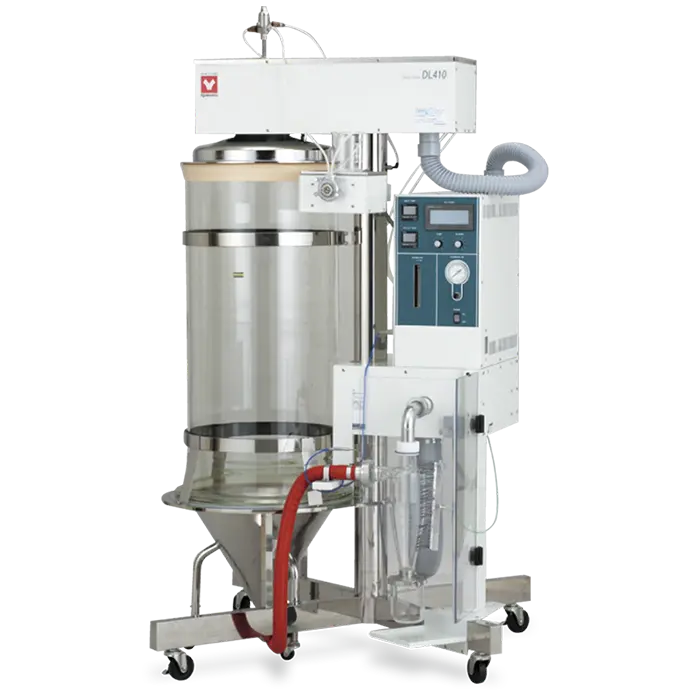
DL410
Production-scale water-dispersible powder
- Up to ~3 L/h evaporation, 1 to 100 micron particles, 24-hour continuous runs.
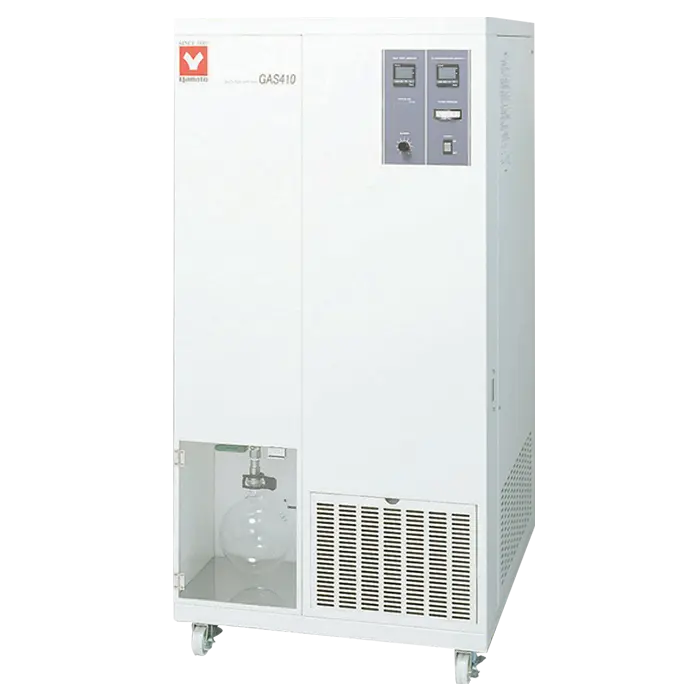
GAS410
Ethanol extract drying
- Closed-loop nitrogen, ethanol recovery, and oxygen monitoring for any dryer in the line.
Get in touch with us to validate your application
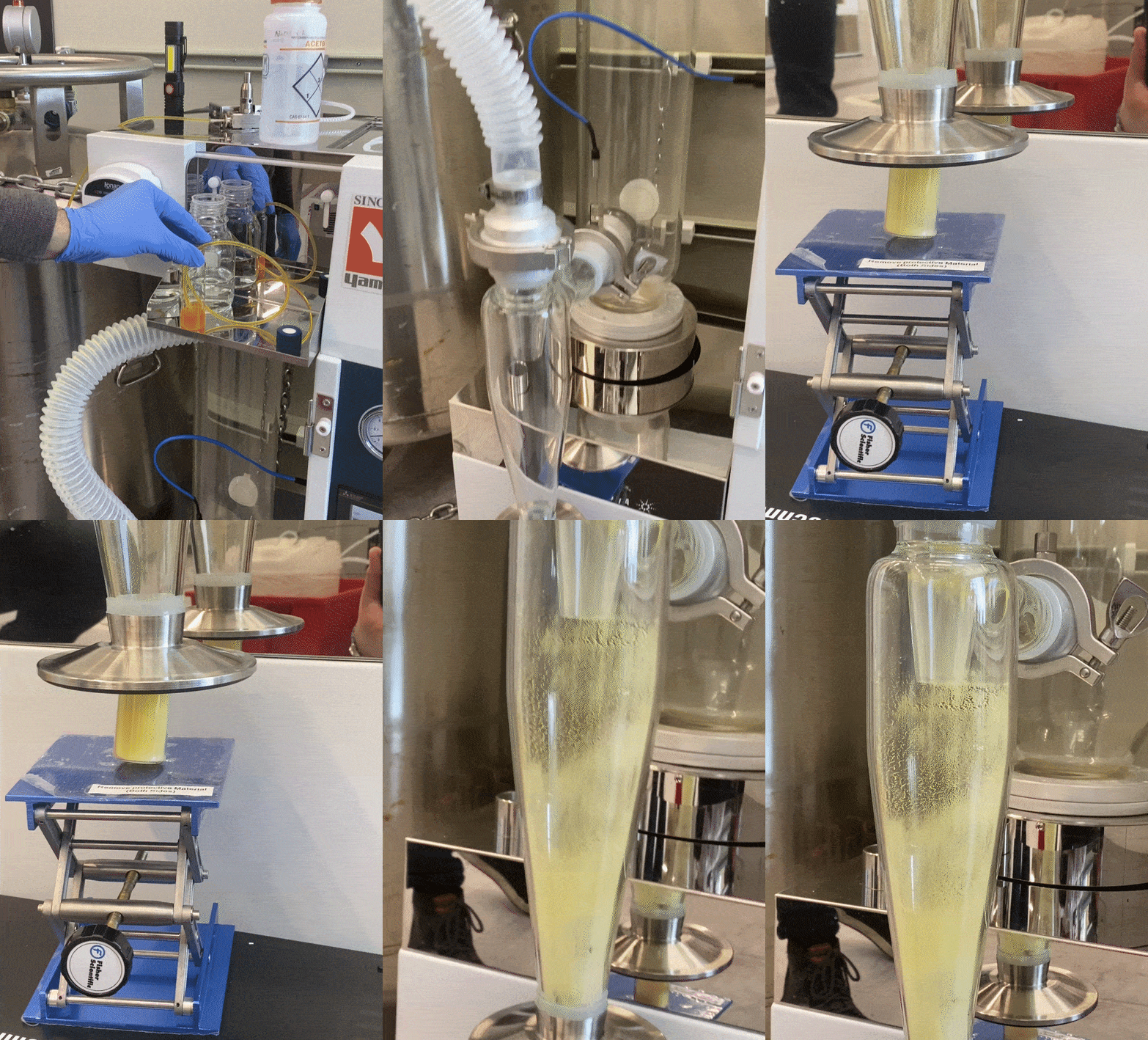
Why cannabinoids get spray dried in the lab
Cannabinoids are oily, poorly water-soluble, and sensitive to heat and oxygen. On their own they don't disperse in water, which holds them back in beverages and any product a consumer expects to mix cleanly. Spray drying encapsulates the cannabinoid in a carrier, so the finished powder disperses in water, doses consistently, and holds up on the shelf.
Cannabinoid drying carries two constraints that ordinary powder drying doesn't. Heat and oxygen degrade potency, so the process has to stay cool and short. And most extraction runs on ethanol, which you can't dry in an open system for fire-code and yield reasons.
We build for both.
Cannabinoid applications our dryers handle
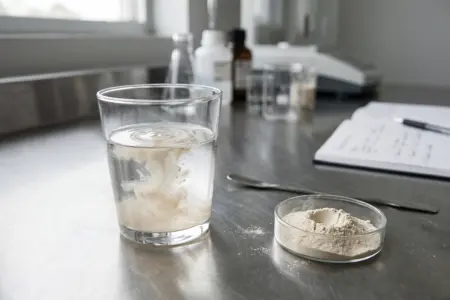
Water-dispersible cannabinoid powders
Encapsulate distillate or isolate in a carrier for beverages, drink mixes, and stick packs.
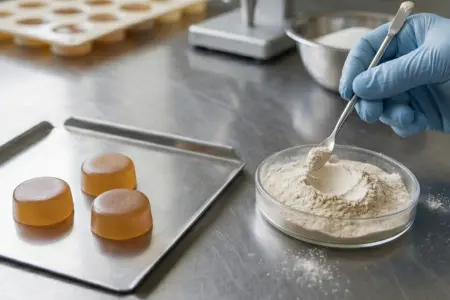
Gummies and edibles
Produce evenly dosed cannabinoid powder that blends into edible formulations.
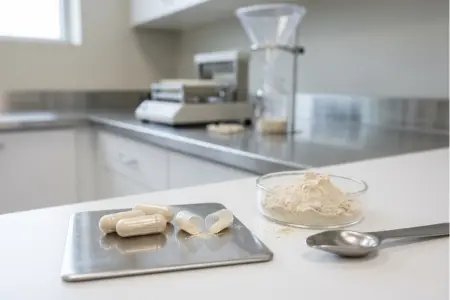
Capsules and tablets
Make a free-flowing, uniformly loaded powder for solid dose forms.
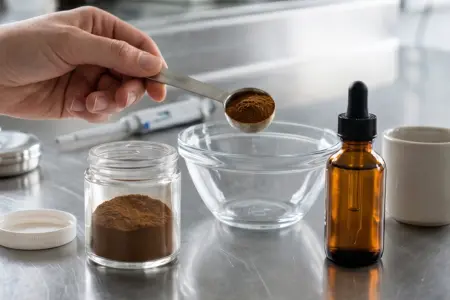
Ethanol extract drying
Dry full-spectrum and broad-spectrum ethanol extracts with closed-loop solvent recovery.
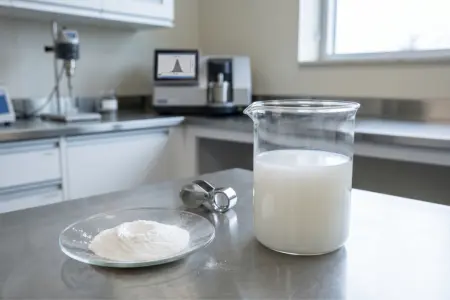
Nanoemulsion powders
Convert a cannabinoid nanoemulsion into a dry, redispersible powder for faster-onset formulations.
Why our spray dryers fit cannabinoid processing

Closed-loop ethanol recovery
Most cannabinoid extraction runs on ethanol, and drying it open to atmosphere is a fire-code and yield problem. Pair any of our dryers with the GAS410 and you run a closed loop under nitrogen that recovers the ethanol and keeps oxygen out. You capture the solvent instead of venting it, and you keep the process inside code.

Low outlet temperature protects potency
Cannabinoids degrade with heat. Our dryers let you control outlet temperature, which is where the powder finishes its heat exposure, so you run cool enough to protect potency and color. Outlet control is the lever that keeps a heat-sensitive active intact through drying.

Particle size you can dial in
Beverage powders have to dissolve fast, and that comes down to particle size and the carrier system. Our dryers give you control over atomization and feed conditions, so you target the particle size your product needs rather than taking whatever the equipment hands you.

Screen carriers on the bench, scale to production
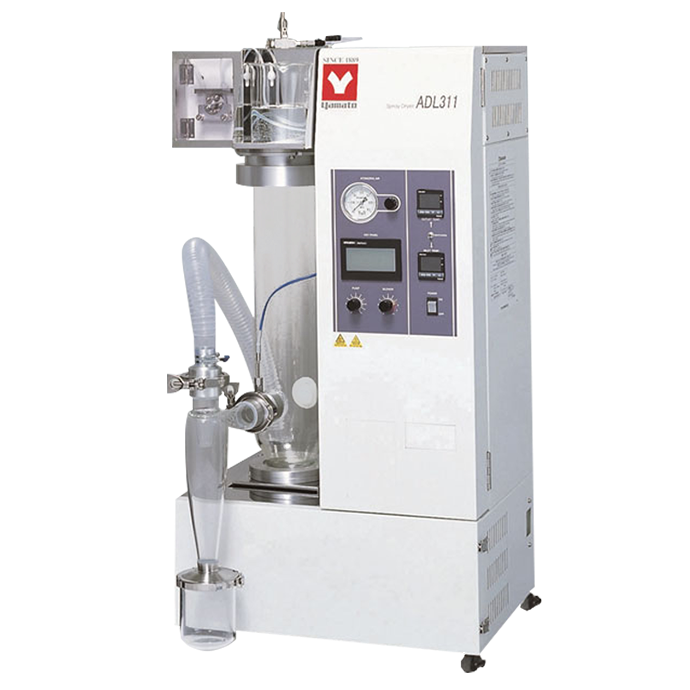
Encapsulation efficiency depends on the carrier and ratio you pick. Screen two or three wall materials on the ADL311SA, then move the winning formulation to the DL410 for production batches. The controls carry across the line, so you scale without re-tooling.
The science behind water-dispersible cannabinoids and spray drying
Cannabidiol's poor water solubility limits its bioavailability, and encapsulation is a documented way around it.
- A 2023 study in Drug Delivery and Translational Research showed that formulating CBD as a nanoemulsion raised its bioavailability over an oil solution.
- A 2022 review in Critical Reviews in Food Science and Nutrition documents how spray drying encapsulates sensitive actives in a carrier to protect them, extend shelf life, and control release.
Direct spray-drying studies on cannabinoids specifically are still limited in the published literature. We treat the parameters above as starting points drawn from related encapsulation work and validate them on your own extract and carrier system, like we’ve done for more than two dozen labs working on similar products.
Cannabinoid spray drying FAQ
Yes. We encapsulate your distillate, isolate, or extract in a carrier so the finished powder disperses in water for beverages, drink mixes, and capsules. The carrier system and ratio drive how fast it dissolves and how much cannabinoid each gram carries.
We run a low outlet temperature so the powder's heat exposure stays short and cool, and we can dry under nitrogen with the GAS410 to keep oxygen out. Heat and oxygen are what degrade potency, so controlling both protects the active.
Maltodextrin, gum arabic, modified starch, and cyclodextrins are common wall materials, and the right one depends on your product and target loading. Screen two or three on the ADL311SA before you commit to a production formulation.
Roughly 5 to 50 microns, with finer powder for fast-dissolving beverage applications. You control it through atomization and feed conditions.
Yes. Develop the formulation on the ADL311SA, then move it to the DL410 for kilogram-per-day production. The controls carry across the line, so you don't re-tool or switch vendors.
Turn your distillate into a water-dispersible powder
Send us a sample of your distillate or extract and we'll spray dry it, then report back the powder and the parameters we used. Or talk to our application engineers about your product and batch size, and we'll recommend a configuration and a price.
References
Provenzano R, et al. Enhancing transmucosal delivery of CBD through nanoemulsion: in vitro and in vivo studies. Drug Deliv Transl Res. 2023;14(6):1648-1659. doi.org/10.1007/s13346-023-01481-x
Halahlah A, et al. Polysaccharides as wall materials in spray-dried microencapsulation of bioactive compounds. Crit Rev Food Sci Nutr. 2022;63(24):6983-7015. doi.org/10.1080/10408398.2022.2038080
No product defined
No product defined in this category.